The Lacquered Pastor
This protocol takes a commercial dry seasoning packet — Siete Al Pastor — and converts it from a dry-rub sear into a pan-reduced lacquer with the depth of a slow-cooked vertical spit-roast. The mechanism is ¾ cup of chicken stock introduced at a precise moment in the cook, deglazing the accumulated spice fond from the iron and reducing it with the rendered chicken fat into a glossy, sticky, concentrated glaze.
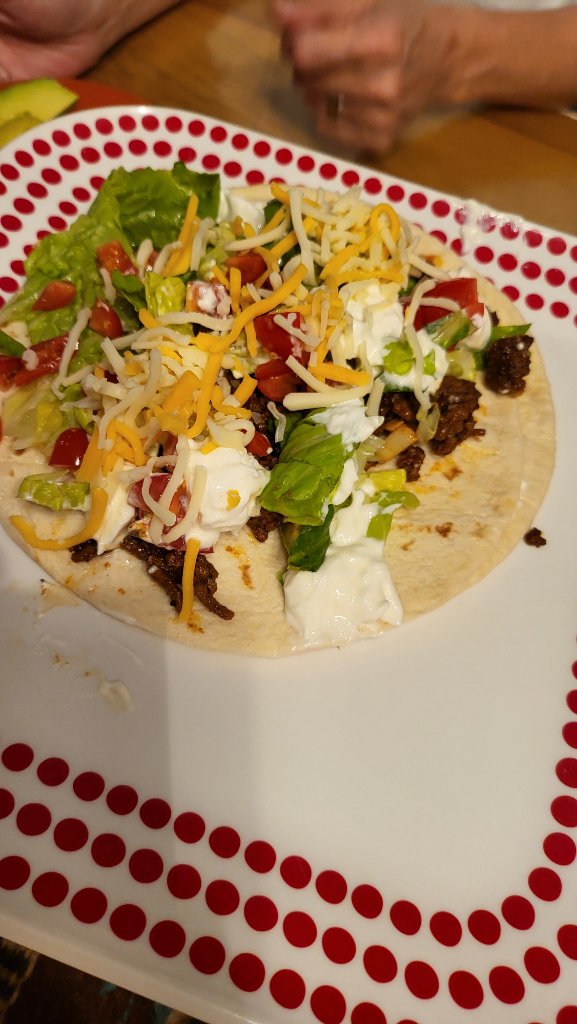
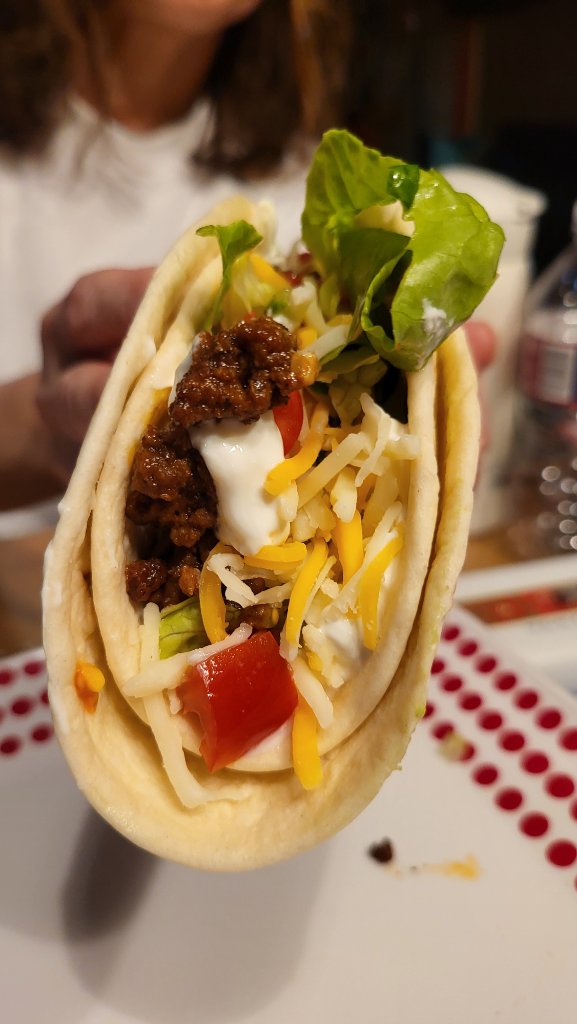
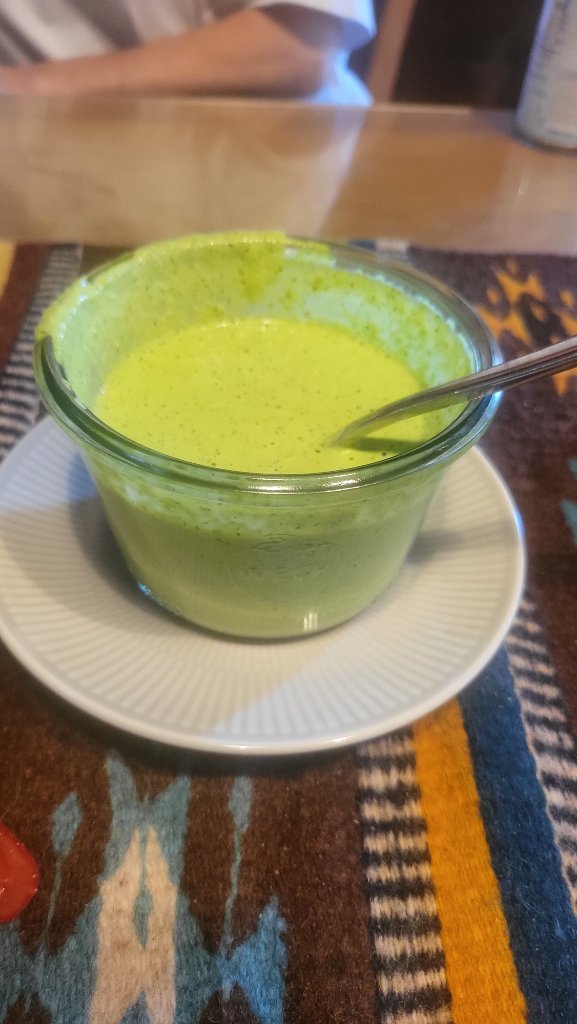
The protein is chicken thighs, diced and seared. The assembly is flour tortillas flash-charred in the same dry iron, topped with the glazed chicken and a heavy application of the Verdant Allium Matrix — the cilantro-Kewpie emulsion from PP-002, optionally upgraded with avocado.
Active cook time: 12 minutes. The depth of flavor does not reflect the time investment.
The problem with commercial dry seasoning packets on a cast iron surface is heat. Equipment: The Heresy — ED-001 → The spices — in the case of Al Pastor, primarily achiote, cumin, chile, and citric acid — have different scorching thresholds. The achiote and chile compounds will caramelize correctly in the first two to three minutes of direct cast iron contact. Past that window, on a dry surface with no moisture to moderate the temperature, they cross from caramelized into burnt. Burnt spice is bitter. It does not recover.
The conventional solution is to add oil and keep the heat moderate. This works. It also produces a dry-spiced chicken that tastes like dry-spiced chicken — the spice sits on the surface rather than penetrating the meat, and there is no sauce, no concentration, no depth.
The documented solution is different. The initial sear happens at high heat and the spices are allowed to caramelize and build fond on the iron — the brown, sticky residue that accumulates on the pan surface is not a problem to be cleaned away. It is concentrated flavor waiting to be recovered.
At the precise moment the garlic turns golden and the onions have softened in the rendered chicken fat, ¾ cup of chicken stock goes into the pan. It flash-deglazes the surface — the liquid immediately bubbles against the hot iron, dissolving the spice fond and lifting it into solution. The heat is reduced. The stock reduces with the chicken fat and the starch from the seasoning packet into a glossy, emulsified lacquer that coats every piece of chicken and every jammy onion in the pan.
This is the mechanism that makes a vertical spit-roast taste the way it does — the meat drips fat into a reduction tray below, that reduction concentrates, and it gets basted back onto the meat continuously. This protocol compresses that process into twelve minutes on a single surface.
| ASSET | QTY |
|---|---|
| Chicken thighs (boneless, skinless) | 4 thighs |
| Siete Al Pastor Seasoning | 1 packet |
| Yellow onion (finely diced) | ½ medium |
| Garlic (smashed and minced) | 3 cloves |
| Chicken stock | ¾ cup |
| Neutral oil | 1 tbsp |
| Flour tortillas | 4–6 small |
| Shredded Mexican cheese blend | ¼ cup |
| Romaine lettuce | 1–2 cups, rough torn |
| Cherry tomatoes | ½ cup, halved |
| Bell pepper (orange or yellow) | ½ unit, strips |
| Verdant Allium Matrix — Avocado Upgrade | Generous drizzle |
| PHASE | NAME | TIME |
|---|---|---|
| Alpha | Protein Prep | 5 min |
| Beta | Initial Sear | 3 min |
| Gamma | Allium Infiltration | 2 min |
| Delta | Deglaze & Reduce | 4 min |
| Epsilon | Char & Assemble | 3–5 min |
Total active time: ~20 min. Prepare the Verdant Allium Matrix in advance — it must be cold at assembly.
- 01
Remove chicken thighs from packaging. Pat completely dry with paper towels. Surface moisture on the chicken will steam rather than sear when it hits the hot iron — producing a pale, grey exterior instead of the deeply caramelized achiote crust the protocol requires.
- 02
Cut each thigh into uniform bite-sized pieces — approximately 1 to 1.5 inch cubes. Uniformity matters here. Uneven pieces mean smaller cuts overcook while larger cuts are still raw at the center.
- 03
Toss the diced chicken heavily in the Siete Al Pastor seasoning. Every surface should be fully coated. The seasoning packet is calibrated for 4 thighs — use the full packet.
- 04
Measure the chicken stock and have it immediately within reach of the stove before the pan goes on heat. The stock goes in at a precise moment in Phase Delta. Stopping to measure mid-cook means the garlic burns past its window.
The instruction to have the stock pre-measured and staged is not optional prep efficiency — it is the mechanism. The garlic-turns-golden window is approximately 30 seconds wide. A staged ¾ cup hits the pan at the right moment. A cup you are still measuring from the carton hits the pan 45 seconds too late.
- 01
Set a 12-inch cast iron skillet over high heat. Add 1 tablespoon of neutral oil. Allow the oil to reach the shimmer point before the chicken goes in — the surface should be hot enough that a drop of water instantly evaporates on contact.
- 02
Add the seasoned chicken pieces in a single layer. Do not crowd. If the pan cannot hold all pieces without touching, work in two batches. Crowding drops the pan temperature and converts the sear into a steam.
- 03
Do not touch the chicken for 3 minutes. The achiote and chile compounds in the seasoning are caramelizing on the iron surface. The spice fond accumulating on the pan surface is the foundation of the reduction — do not scrape it, do not clean it. It is not burnt. It is the technique.
What you are looking for at 3 minutes: The edges of the chicken pieces have turned from pink to white approximately halfway up the side. The contact surface is a deep, dark red-brown. The pan has visible dark fond accumulated around and between the pieces.
- 01
Flip and stir the chicken to expose the uncooked side to the iron. The chicken is approximately 60% cooked at this point — it will finish in the reduction.
- 02
Immediately add the finely diced onion and minced garlic directly into the spaces between the chicken pieces. Add them into the existing pan, into the rendered chicken fat and the accumulated spice fond.
- 03
Toss and stir continuously for 2 minutes. The onions will begin to soften and absorb the spiced chicken fat. The garlic will begin to toast in the same fat.
- 04
Watch the garlic. This phase ends the moment the garlic turns golden and fragrant — not before, not after. Golden garlic is the timing signal. Pale garlic means the aromatics have not developed. Dark brown garlic means it is 15 seconds from burnt. The window is narrow.
- 01
The moment the garlic is golden — pour all ¾ cup of chicken stock directly into the center of the pan.
- 02
The stock will immediately bubble furiously against the hot iron. This is the flash-deglaze — the liquid is dissolving the accumulated spice fond from the pan surface. Use a wooden spoon to scrape any remaining fond from the bottom of the iron in the first 30 seconds while the bubbling action makes this easy.
- 03
Reduce heat to medium. Stir continuously.
- 04
Watch the reduction. The stock will visibly thicken over the next 3 to 4 minutes. The surface will transition from a thin, rapidly-bubbling liquid to a slower, glossier simmer. The chicken fat is emulsifying with the reduced stock and the starch from the seasoning packet — this is what produces the lacquer consistency.
- 05
The protocol ends when the liquid has reduced to a thick, glossy glaze that coats every piece of chicken and clings to the back of a spoon without running off.
- 06
Pull from heat immediately at that point. The sugars in the achiote and the reduced stock will continue concentrating on the residual heat of the iron. One minute past the lacquer point and the glaze scorches. Pull it decisively.
Lift a piece of chicken with a fork. The glaze should coat it uniformly and not drip off. If it runs off in a thin liquid, give it another 30 seconds. If it coats cleanly and the pan surface shows a thick, glossy reduction with no standing liquid — pull it now.
- 01
In the same cast iron after the chicken has been removed to a holding plate — or in a second dry pan running simultaneously — place flour tortillas directly on the dry iron surface over high heat.
- 02
30 to 45 seconds per side. The tortilla should develop dark char spots — not uniformly browned, spotty char. That char introduces a slight bitterness that balances the sweet-savory richness of the Lacquered Pastor glaze.
- 03
Remove and stack under a clean towel to keep warm and pliable.
This is not a standard taco assembly. This is the hot/cold opposition architecture from PP-002 applied to a taco format. Every layer is intentional.
- 01
Lay the charred tortilla flat on the plate.
- 02
Immediately scatter shredded Mexican cheese blend across the warm tortilla surface. The residual heat from the charred tortilla will begin to melt the cheese — do not wait for full melt. The partial melt is the target. It creates a binding layer, not a cheese pull.
- 03
Add the Light Shield components directly on top of the cheese in this order: rough-torn romaine first as the structural base, then bell pepper strips, then halved cherry tomatoes. These go on cold and they stay cold.
- 04
Add the glazed Al Pastor chicken and jammy onions directly from the pan on top of the Light Shield layer — include all residual glaze. The hot chicken sitting on the cold Light Shield is the mechanism.
- 05
Finish with a generous drizzle — not a dollop, a drizzle — of the avocado-upgraded Verdant Allium Matrix across the entire assembled taco. The drizzle covers both the hot chicken and the cold vegetables, acting as the bridge between the two temperature zones.
- 06
Serve immediately. The hot/cold opposition degrades within ninety seconds of assembly as the chicken heat begins warming the Light Shield components. Eat it immediately.
Any commercial dry spice blend applied to a cast iron surface can be converted from a surface coating into a reduction sauce using this sequence: initial sear to build fond, aromatics into the rendered fat, liquid deglaze at the aroma peak, reduction to lacquer. The specific spice blend is interchangeable. The mechanism is fixed. This technique applies to every packet seasoning in your pantry.
On the dual-component architecture:
PP-006 is the first protocol in the series to apply the hot/cold opposition architecture from PP-002 to a hand-held format. The principle is identical — a hot, rich, fatty main component opposed by a cold, acidic, crisp component — but compressed into a single taco. The Light Shield components function as the cold layer; the Lacquered Pastor is the hot layer; the avocado-upgraded Verdant Allium Matrix bridges them.
On the Verdant Allium Matrix — avocado upgrade confirmed:
The avocado upgrade is confirmed as the executed version for this protocol, not an optional modification. ¼ ripe avocado per serving, folded into the standard cilantro-Kewpie emulsion before drizzling. The avocado adds body that allows the Matrix to drizzle across the full taco surface without pooling — the standard version tends to run off. For this specific assembly, the avocado upgrade is the correct version.
On stock vs. water:
¾ cup of water will deglaze the pan and lift the fond. It will not produce a lacquer. The gelatin naturally present in chicken stock is the emulsifying agent. Use stock.
On scaling:
Scales to 8 thighs by doubling all quantities except stock — increase to 1¼ cups rather than a full double. The larger chicken mass releases more fat and moisture during the sear, contributing additional liquid to the reduction.
"The caramelized chicken and the green sauce." Spice: "pretty good — just enough." Zero least-favorite elements. No changes requested. Unsolicited intent to recommend to a colleague confirmed.
"My favorite was the green sauce. The avocado was incredibly nice mixed with the sour cream. Chicken was tender and soft. Nothing I would change. It was a fast dinner." Zero change requests. Protocol locked as executed.
"Fast prep. The Aloha pepper pops with a fruity note. Cheese on the meat melted clean. Onions present in the flavor profile. Homemade stock from the dog's food prep was a genuine asset to the reduction." One change: make more chicken. No structural critique.
3 reviewers — first execution — zero structural change requests.
A 9.33/10 result from a commercial dry seasoning packet, a leftover sauce from the previous night's execution, and homemade stock produced as a byproduct of preparing the dog's food. The quality of the output is determined by the technique applied, not the prestige of the inputs. The only modification requested across all three reviewers was volume. That is not a structural critique. That is a compliment.
Deep achiote-spiced lacquer leads — sweet, smoky, concentrated. Aloha bell pepper contributes a confirmed fruity pop. Spice at optimal: clean warm heat, no saturation. Verdant Allium Matrix bridges the hot/cold divide. Loop holds across multiple bites.
Hot sticky lacquered chicken against cold crisp romaine and bell pepper. Cheese melt confirmed as clean and cohesive. Char-spotted tortilla delivers structural crunch. Jammy onions present in flavor profile and texture. Four distinct registers per bite confirmed.
Achiote and toasted chile dominate on approach. Rendered chicken fat carries garlic depth. Cilantro from the Verdant Allium Matrix punctuates the hot aromatics. Tortilla char anchors the profile.
Clean. Citric acid in the packet and lime in the Matrix scrub the palate. No lacquer coating or grease residue. The dual-component architecture is doing palate-clearing work through the finish.
Protocol locked as executed. Scale chicken quantity upward for larger households — the only documented modification request. All other parameters confirmed correct: spice calibration, dual-component assembly sequence, and the Avocado Upgrade (PP-002 base + ½ avocado + additional lime juice).
Primary risk note for first-time execution: the garlic-golden timing window in Phase Gamma. Pre-stage the stock before the pan goes on heat. The window is approximately 30 seconds wide. Stock staged = stock hits at the right moment. Stock in the carton = garlic burns before you finish measuring.
| ✓ | Asset | Base (3) | Scaled Qty | Role |
|---|---|---|---|---|
| Chicken thighs (boneless, skinless) | 4 thighs | 4 thighs | Primary protein | |
| Siete Al Pastor Seasoning | 1 packet | 1 packet | Spice chemistry | |
| Yellow onion (finely diced) | ½ medium | ½ medium | Aromatic sweetener | |
| Garlic (smashed and minced) | 3 cloves | 3 cloves | Timing signal — deglaze trigger | |
| Chicken stock | ¾ cup | ¾ cup | Deglaze medium — lacquer base | |
| Neutral oil | 1 tbsp | 1 tbsp | Initial sear medium | |
| Flour tortillas (small) | 5 tortillas | 5 tortillas | Flash-charred assembly platform | |
| Shredded Mexican cheese blend | ¼ cup | ¼ cup | Partial melt binding layer | |
| Romaine lettuce | 1 ½ cups | 1 ½ cups | Light Shield cold structural base | |
| Cherry tomatoes (halved) | ½ cup | ½ cup | Light Shield — acid burst | |
| Bell pepper (orange or yellow) | ½ unit | ½ unit | Light Shield — sweetness and crunch | |
| Avocado | ½ unit | ½ unit | Verdant Allium Matrix upgrade | |
| Cilantro | ¼ cup | ¼ cup | Verdant Allium Matrix base | |
| Kewpie mayo | 3 tbsp | 3 tbsp | Verdant Allium Matrix emulsion | |
| Sour cream | 2 tbsp | 2 tbsp | Verdant Allium Matrix base | |
| Lime | 1 unit | 1 unit | Verdant Allium Matrix acid |
THIS IS ONE PROTOCOL. THE ARCHIVE CONTAINS THE REST.
Every finding documented in this protocol is transferable. The mechanism applies beyond this dish — to everything you cook that shares the same underlying structure.
The full archive is $14.99 a month. Every protocol. Every finding. Every new release.
Or purchase Protocol Pack 01 — first 30 protocols, permanent access — for $59.97 one-time.
$14.99/month — Complete archive — New releases included — Cancel any time